Transport Fever 3 Start Year: Everything You Need to Know
TF3 begins in 1900 instead of 1850. Here's why Urban Games made the change, how it affects gameplay, and what mods may restore the early era.
The Transport Fever 3 start year is one of the most debated changes in the entire series. Unlike Transport Fever 2, which let you launch your transport empire in 1850, Transport Fever 3 pushes the earliest start date forward to 1900 — cutting out fifty years of horse-drawn carts, slow steam locomotives, and early steamships. Now that the game has officially launched on September 29, 2026, players are discovering exactly what this means for their campaigns.
Whether you're a veteran of the series or a newcomer planning your first map, understanding how the start year works — and why it changed — will help you set expectations before you lay your first track.
What Is the Transport Fever 3 Start Year?
The earliest possible Transport Fever 3 start year is 1900. There is currently no built-in option to begin in 1850 as you could in Transport Fever 2. From 1900 onward, you guide your company through the 20th century and beyond, unlocking faster trains, automobiles, aircraft, and modern ships as the decades roll by.
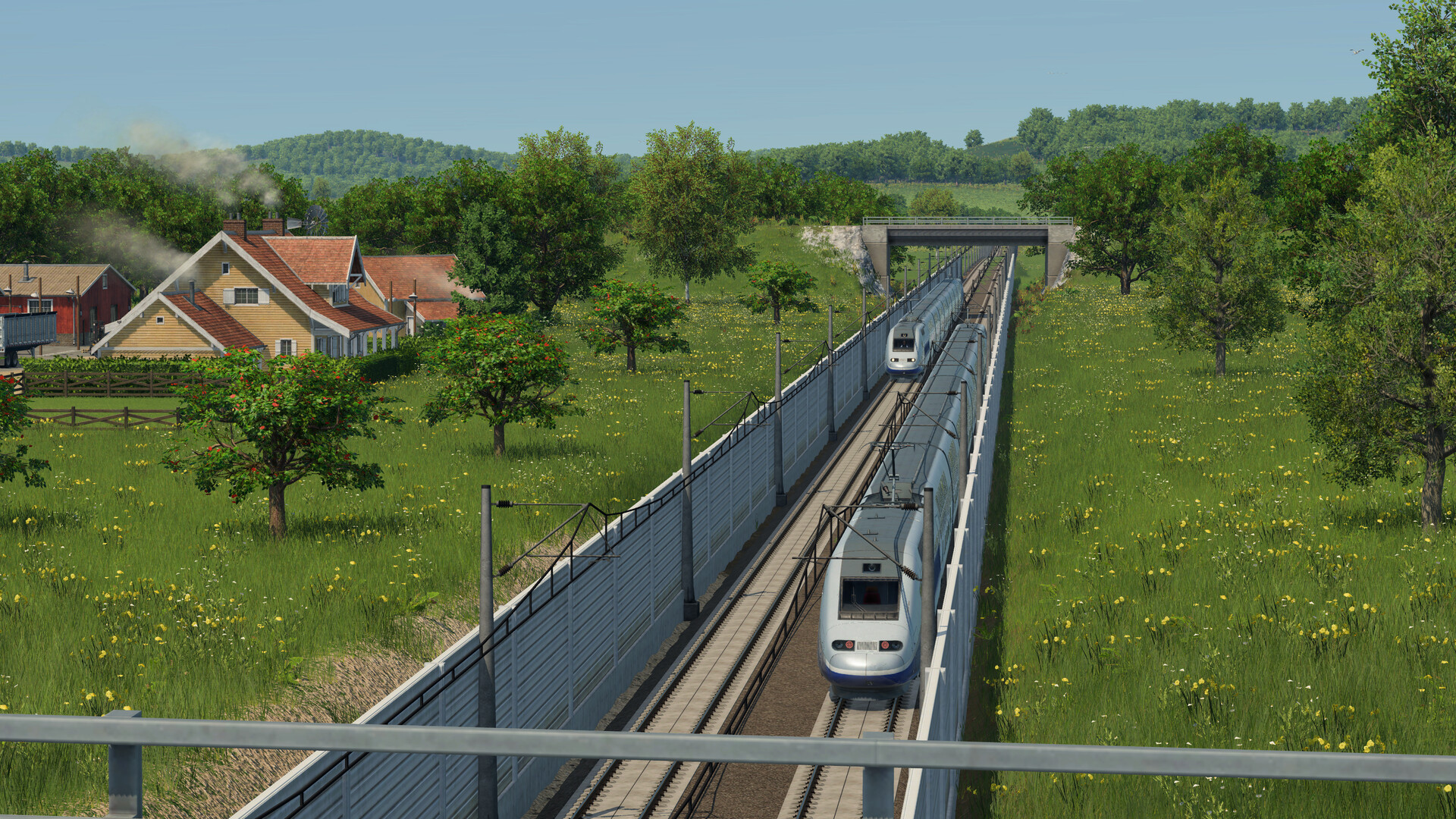
Official screenshot · Source: Steam store
Here's a quick comparison of how the starting era differs between the two games:
| Feature | Transport Fever 2 | Transport Fever 3 |
|---|---|---|
| Earliest start year | 1850 | 1900 |
| Horse-drawn vehicles at start | Yes | No |
| Earliest locomotives | Slow steam engines | Faster, more capable steam trains |
| Early passenger boats | Viable ferry option | Limited until faster ships arrive |
| Time until automobiles appear | ~40 in-game years | ~10–15 in-game years |
That last row matters more than you might think. In Transport Fever 2, the stretch between 1850 and 1900 was a slow burn — many players spent it fast-forwarding through decades of plodding horse carts and sluggish trains. Urban Games apparently noticed.
Why Urban Games Moved the Start Date to 1900
The official reasoning aligns with what the community has long observed: the 1850–1900 era simply wasn't popular. According to player reports and community discussions, a large share of Transport Fever 2 players skipped the early era entirely, starting their campaigns in 1900 or later anyway.
The arguments in favor of the change include:
- Less waiting. The early years often meant parking the game on fast-forward while waiting for better vehicles to unlock.
- Better building variety. Development resources that would have gone to modeling 19th-century vehicles and structures can instead enrich the 1900+ eras. Early look videos suggest 1900-era buildings look noticeably better as a result.
- Streamlined progression. Starting with more capable trains gives new players a friendlier onboarding experience.
- Fewer network headaches. Horse carriages often forced players to rebuild or upgrade their networks shortly after establishing them.
Not everyone is happy, of course. Community reports from longtime fans describe the 1850–1900 stretch as the "calm before the storm" — a challenging, atmospheric period that showcased the industrial revolution's impact and gave cities time to develop classical charm with older building styles that persisted to the endgame.
What You Lose (and Gain) Starting in 1900
It's worth weighing both sides before you dismiss the change as a downgrade.
What's gone
| Lost Element | Why Players Miss It |
|---|---|
| Horse-drawn carts | Slow but charming; a true "build from nothing" feel |
| Very early steam locomotives | Historical character and gradual tech progression |
| Early ferry routes | A clever workaround for rivers before bridges became affordable |
| Classical city growth | Old-style buildings that accumulated over the first 50 years |
What you gain
- Trains from the opening moment that can actually reach useful speeds
- Faster access to trucks, buses, and aircraft
- More polished and varied building models for the eras that remain
- A tighter gameplay loop with less idle fast-forwarding
One popular community workaround in Transport Fever 2 was ferrying passengers across wide bodies of water until enough money accumulated for a bridge. Starting in 1900 changes that calculus — bridges become relevant much sooner, while passenger boats matter less until faster vessels arrive late in the timeline.
Will Mods Restore the 1850 Start?
Almost certainly, if history is any guide. The Transport Fever series has one of the most active modding communities in the simulation genre, and community discussion around the new title already anticipates mods that could:
- Restore the 1850 start date with period-appropriate vehicles
- Slow down the in-game date speed — in Transport Fever 2, mods let players reduce time speed well below the slowest built-in setting
- Add 1850–1900 era trains, carts, and ships as standalone vehicle packs
In Transport Fever 2, modders previously created both earlier start dates and drastically slowed calendar speeds, and there's little reason to believe TF3 will be different. That said, the modding situation for TF3 has a question mark attached: Urban Games has confirmed no plans to use Paradox Mods, but full details on platform support (Steam Workshop, mod.io, or both) haven't been completely spelled out. Console players in particular are watching this closely, since mod.io was the pipeline that brought mods to consoles in Transport Fever 2.
The practical advice: if an early-era start is essential to your enjoyment, keep an eye on the modding scene over the coming weeks and months. For everyone else, the 1900 start is a perfectly solid foundation.
Tips for Starting Strong in 1900
Since the Transport Fever 3 start year jumps straight into a more capable technological era, your opening strategy should adapt accordingly:
| Priority | Why It Matters |
|---|---|
| Build rail lines between nearby cities first | 1900-era trains are fast enough to turn a profit quickly |
| Don't over-invest in early vehicles | Newer models arrive within a decade or two of in-game time |
| Watch terrain modification | Bulldozing now hurts public approval — route around obstacles when possible |
| Use warehouses and loading stations | The redesigned cargo system rewards deliberate supply chain planning |
| Mind vehicle maintenance | Vehicles wear down over time; deferred upkeep has real consequences |
A few extra pointers:
- Skip the ferry habit. Without the 1850s era, you won't need the "ferry now, bridge later" trick as often. Bridges become affordable earlier in your campaign's lifespan.
- Plan for growth. Cities now generate traffic, noise, and pollution as they expand, so leave room in your network design.
- Use the time controls. Fast-forwarding is still your friend, but you'll need it far less than in the old early-game stretch.
Transport Fever 3 also brought sweeping changes beyond the timeline — node-based map generation with seamless biome transitions, a full day-night cycle, underground tram tracks, and free-form road construction. You can read more about the game on its official Steam store page, and the Wikipedia article on Transport Fever 3 offers a solid overview of its development and release.
FAQ
What is the earliest Transport Fever 3 start year? The earliest start year in Transport Fever 3 is 1900. The 1850 start from Transport Fever 2 has been removed from the base game.
Can I start Transport Fever 3 in 1850 with mods? Not at launch, but community reports strongly suggest modders will restore the 1850 era, just as they extended start dates and slowed time in previous entries. Expect vehicle packs and start-date mods to appear once modding tools mature.
Why did Urban Games remove the 1850–1900 era? Player data and community feedback indicated most Transport Fever 2 players skipped the early era. Removing it freed development resources for richer building variety and reduced the slow fast-forward stretches that defined the first fifty years.
Does the 1900 start year change the overall timeline? No — you still progress through the same century-plus of transport history, from steam through diesel, electric, and modern vehicles. You simply begin with more capable technology and skip the horse-and-cart phase entirely.
Related Guides
Transport Fever 3 Beginner Guide: Tips for New Players
Our Transport Fever 3 beginner guide covers routes, depots, demand-driven cargo, and money tips so your first transport empire actually turns a profit.
Transport Fever 3 Bus Lines: The Complete Setup Guide
Learn how to design profitable Transport Fever 3 bus lines with smart stop placement, line routing, and fleet sizing tips for growing cities.
Transport Fever 3 Campaign Guide: Saving Mardi Gras
A full walkthrough of the first Transport Fever 3 campaign mission, Saving Mardi Gras, covering objectives, tips, and how to earn all three stars.
Transport Fever 3 Curved Stations: Full Guide
Everything we know about curved stations in Transport Fever 3, the history of the beloved TF1 mod, and how to get curved track layouts working today.