Transport Fever 3 Steam: Release Guide, Features & Reviews
Everything about Transport Fever 3 on Steam: features, system tips, Steam player reviews, known issues, and whether this tycoon sim is worth buying.
What Is Transport Fever 3 on Steam?
Transport Fever 3 has arrived on Steam, and it's shaping up to be the most ambitious entry yet in the long-running transport tycoon series. Available now through its official Steam store page, the game puts you in charge of a growing transport empire — starting with horse-drawn wagons and paddle-steamers and working your way up to jets, supertankers, and high-speed trains. If you've been waiting to find out whether Transport Fever 3 on Steam is worth your money, this guide breaks down everything you need to know, from headline features to what real players are saying in their Steam reviews.
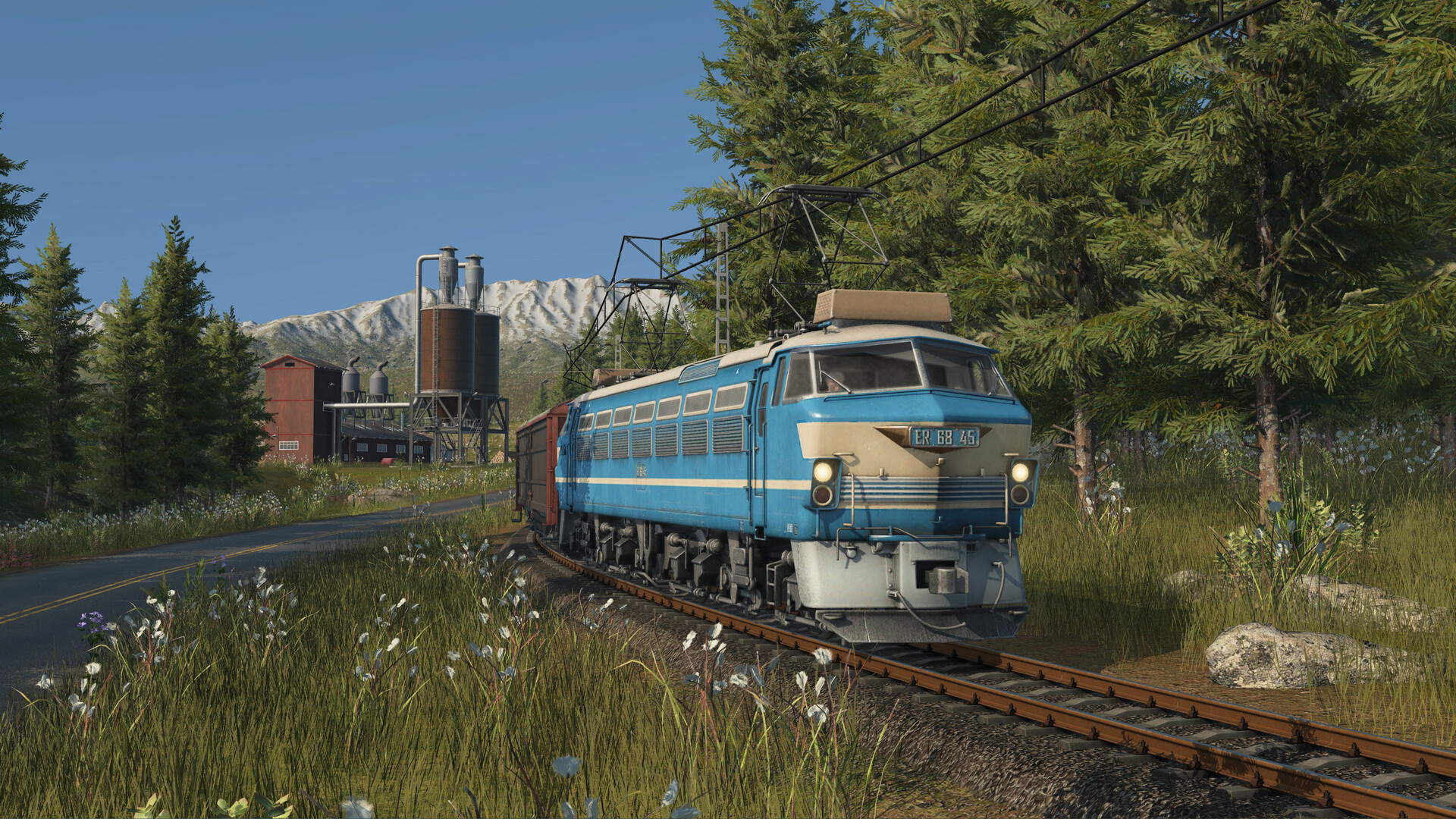
Official screenshot · Source: Steam store
The pitch is simple but addictive: every delivery earns money, and every vehicle you add increases costs. Balancing those two forces — building profitable routes while managing infrastructure expenses — is the core loop that made the series a favorite among transport and tycoon fans, and Transport Fever 3 refines it with smarter cities, deeper logistics, and a much larger feature set.
Key Features at a Glance
The game spans more than 125 years of transport evolution, with over 275 realistic vehicles covering trains, buses, trams, trucks, ships, aircraft, and helicopters. Here's a quick overview of what's on offer:
| Feature | Details |
|---|---|
| Time span | 125+ years, from horse-drawn wagons to high-speed trains |
| Vehicle count | 275+ across all major transport types |
| Industries | 35+, including offshore fishing grounds and oil platforms |
| Climate zones | Four, including a brand-new subarctic region |
| Campaign | Story missions inspired by real historic events |
| Modding | Improved tools plus a fully featured in-game map editor |
| Simulation | Individual citizens simulated — every person has a home, job, and destinations |
Beyond raw numbers, several systems have been meaningfully expanded compared to Transport Fever 2:
- Warehouses and specialized terminals — cargo capacity is no longer tied to stations, making large cargo hubs far easier to scale.
- Light rail options — cargo trams, subway stations, and LRTs give you middle-tier options between buses and heavy rail.
- Advanced traffic simulation — lane control, realistic overtaking behavior, and data layers to spot congestion, delivery problems, and pollution hotspots.
- Dynamic loan and contract system — risk-versus-reward opportunities plus subsidies that guide early-game expansion.
- Adjustable difficulty — from hardcore tycoon adversity to a sandbox mode with the economy disabled entirely.
Transport Fever 3 vs. Transport Fever 2
One of the most common questions from series veterans is whether this is a true sequel or an incremental update. Based on the official feature list and community reports, here's how the two compare:
| Category | Transport Fever 2 | Transport Fever 3 |
|---|---|---|
| Starting era | 1850 | 1900 (the 1850–1899 era was cut) |
| Vehicles | ~200 | 275+, including cargo trams and LRTs |
| Cargo logistics | Station-bound capacity | Warehouses and terminals for intermediate storage |
| Road traffic | Basic lane management | Lane control, priorities, overtaking behavior |
| Campaign | Lighter missions | Deeper, more detailed scenario-based campaign |
| Climate zones | Three | Four (adds subarctic) |
| Modding | Solid but aging tools | Greatly improved toolset and in-game mod browser |
The consensus among long-time players, per community reports, is that Transport Fever 3 doesn't overhaul the formula — instead it polishes and expands it. One reviewer with over 100 hours logged said the game "makes playing the previous game obsolete" thanks to improvements across nearly every system, while others describe it as "TF2 with more features."
What Steam Players Are Saying
Steam reviews are genuinely mixed, so it pays to look at both sides before buying.
The Positives
Fans consistently highlight the quality-of-life improvements and the new logistics systems. A detailed 116-hour review praised the traffic and lane management tools, the added middle-tier transit options, more complex production chains, and the warehouse system as the biggest wins. Others called it "a way more complete game" than its predecessor, with several players reporting they've already sunk unhealthy numbers of hours into it.
Performance complaints, some players note, may be overblown. One reviewer found the game launched in windowed mode by default, tanking performance on a high-end rig — switching to fullscreen reportedly unlocked 130+ FPS at 1440p on medium settings. If the game runs poorly out of the box, check your display mode first.
The Negatives
Criticism clusters around a few recurring themes:
| Complaint | What Players Report |
|---|---|
| Performance | FPS drops, stuttering when moving the camera, inconsistent behavior between systems |
| Historical accuracy | Modern trucks, asphalt, and 1980s-style buildings appearing in 1900 starts; modern oil rigs with heliports feel anachronistic |
| Cut content | The 1850–1899 steam era was removed, which upset history-focused veterans |
| UI/controls | New one-click placement removes the confirm step, making it harder to fix mistakes; line management described as clunky |
| Bugs | Trains stuck at stations, tunnel junction glitches, trucks failing to auto-load at ports |
| Difficulty balance | Even on higher settings, some players find it too easy to turn a profit |
Some of these issues — especially the anachronistic building models and missing era-specific vehicles — are the kind of thing modders historically fix quickly in this series, and the improved modding tools should help. But if historical authenticity is your main draw, temper your expectations for launch.
Should You Buy It on Steam?
Here's a quick decision framework based on the available information:
| Player Type | Verdict |
|---|---|
| Transport Fever 2 veteran (100+ hours) | Strong buy — the QoL upgrades and new logistics systems justify the upgrade |
| Tycoon genre newcomer | Good entry point — adjustable difficulty and a proper tutorial campaign ease you in |
| Steam-era history purist | Wait — the 1850–1899 cut and anachronistic models are real drawbacks at launch |
| Sandbox/builder type | Buy — the disabled-economy mode and map editor are excellent for creative play |
| Budget-conscious buyer | Reasonable — one reviewer called it a "no-brainer" for only about $10 more than a discounted TF2 |
A few practical tips before you launch:
- Switch to fullscreen immediately. Multiple community reports point to the default windowed launch mode wrecking performance.
- Update your GPU drivers. At least one negative reviewer noted improvement after updating.
- Tune expectations for early-game pacing. Starting in 1900 means slower vehicles at first, regardless of era.
- Use subsidies to guide expansion. The new contract and subsidy system gives clear early-game direction if you're overwhelmed.
- Watch the mod browser. The in-game mod support means era-appropriate vehicles and building packs are likely on the way.
Tips for New Tycoon Players
If this is your first Transport Fever game, the scope can feel intimidating. Start small: one or two short lines connecting a raw-material industry to a town that needs it. Every delivery earns money, but avoid the classic beginner mistake of flooding a route with vehicles — each one adds maintenance costs that can quietly sink your balance sheet.
As your network grows, lean on the data layers. They visually flag traffic hotspots, delivery failures, and noise pollution, which is far faster than hunting problems by camera. Use the warehouse system to decouple storage from stations, letting you build proper cargo hubs as demand scales. And don't ignore city needs: towns grow into dynamic districts based on simulated individual citizens, and a network that worked in 1905 will choke by 1950 if you never upgrade it.
FAQ
Is Transport Fever 3 available on Steam right now? Yes. The game is live on Steam, and community reviews began appearing in late September 2026.
How much does Transport Fever 3 cost on Steam? Pricing sits in the $50 range at launch, according to player reports. Some veterans note the value gap versus a discounted Transport Fever 2 is small enough to make TF3 the clear pick for newcomers.
Does Transport Fever 3 support mods? Yes — modding tools have been significantly improved, and there's a fully featured in-game map editor plus an in-game mod browser for sharing and downloading creations.
What's the biggest criticism of Transport Fever 3 on Steam? Community reports most often cite performance stutters, anachronistic 1900-era building models, and the removal of the 1850–1899 era. Positives center on the warehouse logistics system, new light-rail options, and extensive quality-of-life improvements.
Related Guides
Transport Fever 3 GeForce Now: Availability Status
Is Transport Fever 3 coming to GeForce Now? Latest developer statements, community demand, and what cloud players should do while waiting.
Transport Fever 3 Linux: Day-One Release, Specs & Editions
Transport Fever 3 launched on Linux at release. Here's what PC players need to know: system requirements, editions, pricing, and key new features.
Transport Fever 3 Mac: Compatibility, Requirements & Setup
Is Transport Fever 3 playable on Mac? Here's what Mac users need to know about native support, system requirements, pricing, and performance tips.
Transport Fever 3 Offline: Play Anywhere, No Internet
Learn how to play Transport Fever 3 offline with DRM-free installs, local saves, and offline setup tips — plus logistics strategies for tycoons.