Transport Fever 3 Xbox: Release, Price & Gameplay Guide
Everything we know about Transport Fever 3 on Xbox: availability, pricing, editions, gameplay systems, and tips for new transport tycoons.
Transport Fever 3 has landed, and Xbox players finally have the ultimate transport tycoon sim on their console of choice. Building on more than a decade of the Train Fever and Transport Fever lineage, this third entry from developer Urban Games lets you construct sprawling logistics networks across land, sea, and air — from horse-drawn wagons all the way to jet planes and supertankers. Whether you're a series veteran or a curious newcomer, this guide covers everything you need to know about Transport Fever 3 on Xbox: where to buy it, how the editions compare, what the gameplay actually feels like, and whether it's worth your money.
Is Transport Fever 3 on Xbox?
Yes. Transport Fever 3 is available through the official Xbox store listing, published by Paradox Interactive and developed by Urban Games. The game launched on September 29, 2026, alongside the Steam and Epic versions, so console players aren't left waiting for a later port this time around.
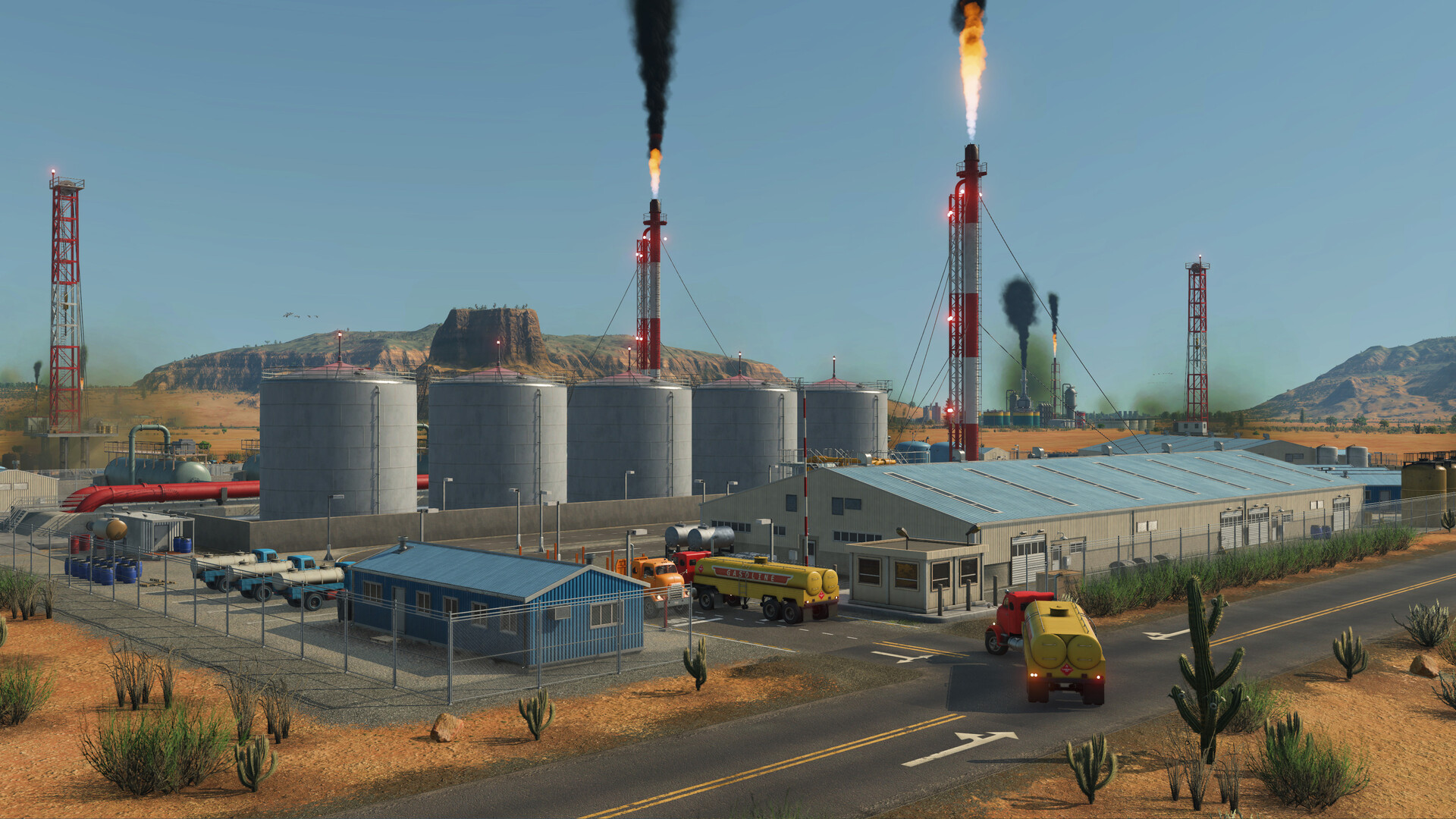
Official screenshot · Source: Steam store
One note for context: the game is rated "Users Interact, In-Game Purchases," meaning optional digital add-ons exist beyond the base purchase. We'll break down what those are below.
Editions and Pricing Compared
According to player reviews and the official store pages, Transport Fever 3 comes in multiple versions, and choosing between them matters more than usual.
| Edition | Approx. Price | What's Included |
|---|---|---|
| Standard | $49.99 | Base game |
| Deluxe | $64.99 | Base game + Deluxe Upgrade content |
| Deluxe Upgrade (add-on) | $19.99 | Standalone upgrade for existing owners |
| Collector's Edition | Varies | Deluxe digital copy, hero statue, "Quartets" card game, hardcover artbook, stickers, keychain, poster, music box with soundtrack access, signed thank-you card |
A few honest observations from community reports:
- The Collector's Edition does not include a physical game disc. You get a digital code plus the physical memorabilia, so factor that in if you're a disc collector.
- Pre-order bonuses and Deluxe content can be toggled on or off in the game's mod menu if you own them — a nice quality-of-life touch.
- DLC expectations should be set early. Paradox Interactive has a well-documented history of aggressive DLC strategies with titles like Cities: Skylines, Hearts of Iron 4, and Surviving Mars. Community reviewers estimate a high likelihood of substantial paid DLC down the road. That's not a criticism of the current product — more a heads-up for budgeting.
What Kind of Game Is Transport Fever 3?
At its core, Transport Fever 3 is an economic simulation and tycoon game. Your job is to connect towns and industries with profitable transport lines, growing tiny villages into sprawling cities while balancing vehicle maintenance costs, infrastructure expenses, and ever-changing demand.
| Transport Mode | Best Used For | Era Availability |
|---|---|---|
| Road vehicles (trucks, buses) | Flexible short-haul cargo and passengers | 1900 onward |
| Trains | High-volume, long-distance cargo and commuters | 1900 onward |
| Ships and boats | Offshore resources, fishing, waterway trade | Early eras onward |
| Aircraft and helicopters | Late-game long-haul and premium routes | Mid-to-late game |
The timeline spans over a century, and the world evolves with it — architecture, vehicles, and citizen behavior all shift as you progress from 1900 toward 2020 and beyond.
Core Gameplay Systems Explained
Based on early player experience, here's how the major systems fit together.
Supply and Demand Chains
Every town is divided into districts — residential, commercial, and industrial — each demanding specific goods. Residential areas might want meat and passenger transport, while commercial districts need fish and lettuce, and industry consumes planks. Your goal is to keep those demand bars satisfied with well-designed lines.
One genuinely clever mechanic: if a required factory doesn't exist on your map, the game will randomly generate one over time. Maps are never static — new industries like glassworks or sand pits appear as you play, constantly handing you fresh logistical puzzles to solve.
Worker Transport and Efficiency Boosts
Delivering workers from towns to producer buildings isn't busywork — it directly boosts industrial efficiency. Community reports cite bonuses exceeding 80% when workers are regularly delivered, with tools providing additional boosts. This gives passenger lines a concrete economic purpose beyond fare revenue.
Headquarters Progression
Similar to Cities: Skylines, your company levels up as regional population milestones are reached. Each level unlocks special buildings for your headquarters — like an amphitheater that reduces road vehicle noise by 25% — but constructing them requires resources. That amphitheater needs 800 stone delivered, which means setting up a quarry line first. Everything loops back into the transport economy.
The Map Editor: A Standout Feature
The in-game map editor deserves its own section because it's genuinely one of the most approachable in the genre.
| Editor Feature | What You Can Do |
|---|---|
| Map size & format | Choose small to very large; 1:1, 1:2, or 1:3 aspect ratios |
| City naming styles | Chinese, Dutch, English, and more naming conventions |
| Start year | 1900 to 2020, which gates available technology |
| Weather & time | Dynamic weather and full day-night cycle options |
| Industry placement | Auto-generate everything or place cities and resource nodes manually |
| Town demands | Edit what each district consumes, though demands evolve as towns grow |
Player experience suggests two tips here:
- Group similar resource chains together when building custom maps. It makes learning the game far less overwhelming than random seeding.
- The editor won't show you full production chains before placement. One reviewer spent considerable time figuring out which building produces chemicals (spoiler: the oil refinery). Expect some trial and error — future patches may address this UI gap.
Practical Tips for New Xbox Tycoons
- Name every line. It sounds trivial, but unlabelled lines become unmanageable by year 1920. Name them by cargo and route.
- Watch line frequency. If wait times run too long, citizens abandon your service for other options. Blue line indicators are good; red means trouble.
- Use "replace all vehicles" wisely. Vehicle replacement is instantaneous and preserves current cargo and passengers — just set your filter first so you don't swap a grain truck for a bus.
- Adjust the calendar speed. Click the in-game clock to make time flow faster if you're waiting on technology unlocks.
- Tune the difficulty granularly. Separate dropdowns let you adjust vehicle costs, infrastructure costs, population growth, and more — or disable the economy entirely for pure sandbox building.
- Start with road and rail. Community players note they were 6–8 hours in before touching airfields. Master ground transport first.
Verdict: Should You Buy Transport Fever 3 on Xbox?
Early community consensus is positive. If you've played Transport Fever 2 or Train Fever, reviewers estimate you'll be 75–80% familiar with the systems from minute one — this is refinement and expansion rather than reinvention. Smarter cities, deeper logistics, improved performance, and four distinct climate zones (temperate, subarctic, desert, tropical) make it the most complete entry yet.
The main reservation echoed across reviews is the DLC question, not the current product. As of launch, the game stands on its own merits: hundreds of hours of map generation, eight campaign missions, robust modding tools, and a sandbox mode. For tycoon fans with a Game Pass-adjacent budget, $49.99 for the standard edition is reasonable value.
Check the official Paradox Interactive page for trailers, screenshots, and future content announcements before deciding which edition fits your budget.
FAQ
Is Transport Fever 3 available on Xbox Series X|S? Yes, Transport Fever 3 is available digitally through the Xbox store, launching simultaneously with the PC versions on September 29, 2026.
How much does Transport Fever 3 cost on Xbox? The standard edition runs about $49.99, with a Deluxe Edition at roughly $64.99. A Deluxe Upgrade add-on is available for $19.99 if you buy the base game first.
Is Transport Fever 3 beginner-friendly? Largely, yes. Granular difficulty sliders let you lower vehicle and infrastructure costs, and the sandbox mode removes economic pressure entirely. Expect a learning curve on supply chains, though.
Will Transport Fever 3 get DLC? Nothing is officially confirmed, but community reports point to Paradox Interactive's DLC history with comparable titles and expect significant paid expansions over the game's lifespan.
Related Guides
Transport Fever 3 GeForce Now: Availability Status
Is Transport Fever 3 coming to GeForce Now? Latest developer statements, community demand, and what cloud players should do while waiting.
Transport Fever 3 Linux: Day-One Release, Specs & Editions
Transport Fever 3 launched on Linux at release. Here's what PC players need to know: system requirements, editions, pricing, and key new features.
Transport Fever 3 Mac: Compatibility, Requirements & Setup
Is Transport Fever 3 playable on Mac? Here's what Mac users need to know about native support, system requirements, pricing, and performance tips.
Transport Fever 3 Offline: Play Anywhere, No Internet
Learn how to play Transport Fever 3 offline with DRM-free installs, local saves, and offline setup tips — plus logistics strategies for tycoons.