Transport Fever 3 Airplanes: Your First Airline Guide
Learn how Transport Fever 3 airplanes work, from building your first airport to running a profitable early airline line with the Junkers F13.
Air travel has always been the most glamorous — and most frustrating — part of the Transport Fever series, and Transport Fever 3 airplanes finally look like they'll earn their keep. Whether you're planning your first airport or wondering if early-era aircraft are worth the investment, understanding how planes fit into your network can make or break your mid-game finances. In this guide, we'll break down what we know about Transport Fever 3 airplanes, how players are setting up their first airlines, and the practical tips that turn a money pit into a profit center.
Why Airplanes Matter in Transport Fever 3
Transport Fever 3 covers more than 125 years of transport evolution, and aircraft are part of a vehicle roster exceeding 275 realistic models — trains, buses, trams, trucks, ships, aircraft, and helicopters. According to the official Steam page, the game includes modular infrastructure spanning multiple eras, from classic train stations to modern airports, so aviation is clearly a first-class citizen this time around.
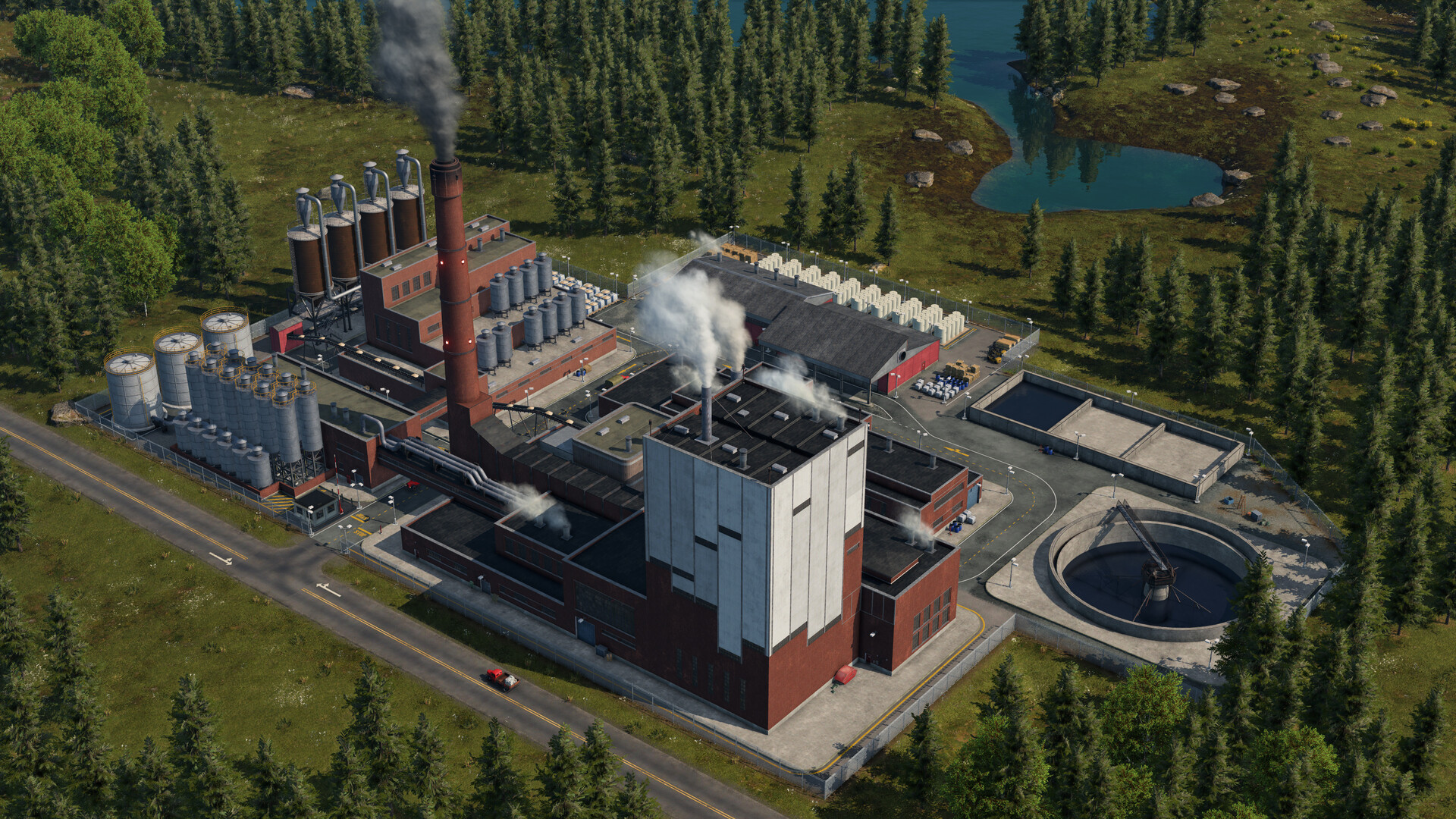
Official screenshot · Source: Steam store
What makes the new entry interesting is the developer's stance. In Steam community discussions, an Urban Games representative confirmed that the team has done "more with air travel" than in previous games — and not just by adding helicopters. That's significant, because in Transport Fever 2, community reports consistently described planes as either ignored by passengers or overwhelmed beyond their throughput the moment demand appeared. The classic player experience was simple: build a rail connection as soon as budget allowed, because aircraft rarely competed.
Getting Started: Your First Airport
One popular playthrough (documented in a recent YouTube series) shows exactly how a first airline comes together around 1922 in-game. The approach is instructive for anyone starting out:
- Build two airports, not one. A single airport has nowhere to send anyone. The player paired a Spalding airport (connected to a passenger rail station) with a smaller Snodland field.
- Integrate rail and air. By placing a train station within range of the airport — and even extending it for future-proofing — passengers from multiple towns could reach flights without dedicated infrastructure.
- Add a shuttle line. A short "airport express" bus route connected the local town to the terminal, completing the passenger funnel.
- Start with a humble aircraft. The Junkers F13, carrying just four passengers, became the first plane — purchased purely for the joy of it.
Here's how that setup performed, based on the player's own reporting:
| Metric | Result |
|---|---|
| First aircraft | Junkers F13 (4 passengers) |
| Initial profitability | ~117 profit per trip — profitable |
| Peak waiting passengers | 100+ wanting flights |
| Fleet expansion | 3 aircraft purchased within one session |
| Directional balance | Uneven — most demand flew one way |
Early-Game Aircraft: What's Available
The 1920s-era options are modest but charming, and player experience suggests they can turn a profit earlier than expected:
| Aircraft | Capacity | Notes |
|---|---|---|
| Junkers F13 | 4 passengers (or cargo variant) | First available; cheap, profitable niche routes |
| Fokker F.VII A | Larger capacity | Unlocks shortly after; suits growing demand |
| Later-era types | Higher | Jets, helicopters confirmed in the full roster |
The key takeaway from community experience: don't dismiss tiny early planes. One player discovered their four-seat Junkers was full almost immediately, with 27 people queued for a flight at a small airport. The lesson — small planes on the right two-town pairing can be surprisingly lucrative.
Practical Tips for Profitable Airlines
Pair the Right Towns
Air routes live or die on destination pairing. The Spalding–Snodland route worked because both towns had commercial demand and limited direct alternatives. Watch the passenger waiting indicator: if a town shows sustained flight demand you can't serve, add aircraft; if it's zero, reassign them.
Balance Your Loads
The biggest weakness in the playthrough above was directional imbalance — nearly everyone flew one way. Consider these fixes:
- Deliver passengers to destinations with strong return demand (commercial centers, shopping districts)
- Split airport bus connections so travelers can loop back by rail
- Add intermediate stops only if both ends generate traffic
Mind Noise Pollution
Airports generate noise complaints from nearby residents. Community reports from previous games suggest mitigation options like tree buffers help at the margins. In the example playthrough, houses sat right next to the runway — the player's solution was planting trees around the facility, partly for aesthetics and partly for neighbor relations.
Don't Force It
Aircraft shine when they connect places that rail can't reach economically, or when you're roleplaying an era-appropriate empire. As one longtime series player put it in the Steam forums, previous entries had planes that "may as well not exist" for passenger transport. Transport Fever 3's expanded simulation — with demand-driven industry, smarter cities, and redesigned cargo handling — appears designed to change that, but the community consensus is still forming.
The Realism Debate: Should Planes Feel Real?
A recurring Steam discussion raises a fair question: map sizes in the series are small compared to real-world flight distances, so how do jets and high-speed trains make sense? The developers' answer is worth internalizing: Transport Fever has never aimed for realism — it aims for internal consistency. If a route "feels right within the confines of the game world," it's working as intended.
For airplanes specifically, this matters for your expectations:
| Expectation | Reality in TF3 |
|---|---|
| Long-haul realism | Not the goal — maps are abstract representations |
| Realistic flight times | No — game time compresses heavily |
| Planes as viable transport | Improving; developer-confirmed enhancements over TF2 |
| Helicopters | Confirmed in the vehicle roster |
The pragmatic takeaway: judge aircraft by their in-game economics, not their real-world counterparts.
Frequently Asked Questions
What is the first airplane available in Transport Fever 3? The Junkers F13 is among the earliest aircraft, carrying four passengers with a cargo variant also available. Player experience shows it can be profitable on the right short route, despite its tiny capacity.
Are Transport Fever 3 airplanes profitable? They can be, especially in the early game when small planes fill quickly on underserved two-town routes. However, demand can be highly directional, so monitor waiting passenger counts and adjust your fleet accordingly.
Do I need airports connected to train stations? It's not required, but strongly recommended. Placing a rail station within airport range lets passengers arrive from multiple towns by train, dramatically increasing your catchment area without extra infrastructure.
Can airplanes carry cargo in Transport Fever 3? Yes — some early aircraft like the Junkers F13 have cargo variants, and community reports from previous games describe creative uses of small planes for freight. Expect expanded cargo aircraft as eras progress.
The bottom line: Transport Fever 3 airplanes are worth building early, experimenting with, and yes — even buying just because they look fantastic in the hangar.
Related Guides
Transport Fever 3 Helicopters: Cargo Guide & Tips
Learn how Transport Fever 3 helicopters work, from helports and helipads to cargo routes, costs, and setup tips for 1950s air transport.
Transport Fever 3 Ships List: Every Vessel Confirmed
Full Transport Fever 3 ships list: all 25 confirmed vessels, from trawlers and ferries to hovercraft, plus early-game ship strategy tips.
Transport Fever 3 Trains: Build a Profitable Rail Empire
Master Transport Fever 3 trains with proven cargo line tips, station design, bidirectional freight strategies, and maintenance advice from real gameplay.
Transport Fever 3 Vehicle List: Best Trains by Era
Full Transport Fever 3 vehicle list breakdown — 300+ trains, trucks, ships and planes, plus era-by-era buying advice and upgrades worth skipping.