Transport Fever 3 Helicopters: Cargo Guide & Tips
Learn how Transport Fever 3 helicopters work, from helports and helipads to cargo routes, costs, and setup tips for 1950s air transport.
For the first time in the series, Transport Fever 3 helicopters are a core part of the game rather than an afterthought or a modded add-on. That matters because rotorcraft unlock a genuinely different way to move cargo and passengers — one that ignores terrain entirely. Whether you're ferrying canned goods across the map or shuttling workers to an offshore oil platform, Transport Fever 3 helicopters open up route possibilities that trains and trucks simply can't match. This guide breaks down how they work, what they cost, and how to set them up without wasting millions.
Why Helicopters Are a Big Deal in Transport Fever 3
Previous games in the series stopped at fixed-wing aircraft. Community reports from Transport Fever 2 players note that the only helicopter option was a Workshop mod — and a janky one at that, essentially reskinning planes with short takeoff runs. Transport Fever 3 changes that with native rotorcraft support baked into the vehicle roster of 275+ realistic vehicles.
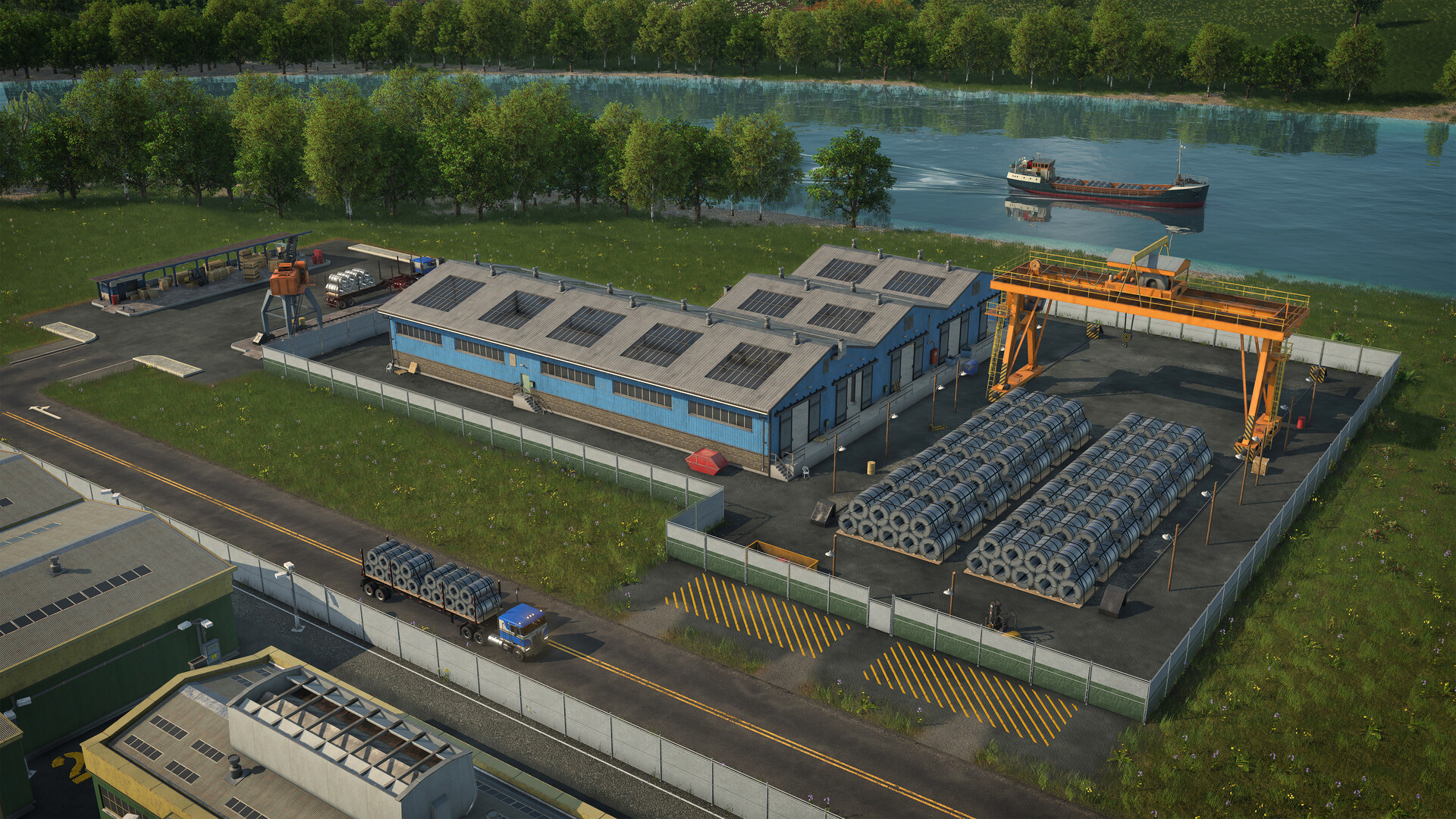
Official screenshot · Source: Steam store
The unlock arrives around 1950 in-game, alongside a wave of other mid-century tech: new boats, trams, train cars, and a larger airport. According to the official Transport Fever 3 Steam page, the game spans more than 125 years of transport evolution, and helicopters represent its modern air-transport tier.
Two dedicated infrastructure pieces come with the unlock:
| Structure | Purpose | Key Details |
|---|---|---|
| Helport | Full hub for passengers and cargo | Includes a depot for buying helicopters; extendable with modules; vehicles auto-maintained nearby |
| Helipad | Compact landing pad | Handles both passengers and cargo; ideal for tight urban or industrial spots |
Getting Started: Your First Helicopter Line
One player's documented experience offers a useful walkthrough of the setup process. After unlocking helicopters in 1950, they attempted a cargo route from a Royston helport to a Chisik helport — and hit the same snag many newcomers will: the helport alone doesn't automatically connect to your cargo network. You'll typically need a nearby warehouse, cargo station, or universal cargo station to handle loading and unloading.
A practical setup looks like this:
| Step | Action | Tip |
|---|---|---|
| 1 | Build a helport or helipad near your cargo source | Pair it with a goods warehouse for flatbed cargo |
| 2 | Create a line between two air stops | Configure exactly which cargo types load at each end |
| 3 | Buy a cargo-capable helicopter | Expect a price tag around $2.8 million for larger models |
| 4 | Assign matching ground vehicles | Trucks move cargo between the helipad and final destinations |
That last step is easy to overlook. In the player example, the helicopter only loaded correctly once the ground-side logistics (a goods warehouse and truck loop) were properly configured — and only after a comedic false start hauling passengers instead of freight.
What Can Helicopters Carry?
Transport Fever 3 helicopters handle both passenger and cargo duties, but each aircraft model has its own cargo type restrictions. You can't just assign any chopper to any freight.
| Cargo Type | Helicopter Viability | Notes |
|---|---|---|
| Passengers | Strong | Helports support passenger terminals natively |
| Goods (canned food, tools, machines) | Viable | Requires a cargo-capable model and warehouse support |
| Bulk raw materials | Possible but expensive | Trains and ships remain more cost-efficient |
| Oil platform / offshore supply | Excellent | Community reports suggest this is a designed use case |
The honest assessment from player experience: helicopters are often impractical for heavy freight. In one documented run, a helicopter moving canned goods managed a rate of just 36 units — prompting the player to immediately buy a second chopper to make the line worthwhile. Rates that low mean you're paying for speed, flexibility, and style, not raw throughput.
Helicopters vs. Other Transport Modes
Before spending $2.8 million, compare your options. Here's how rotorcraft stack up:
| Factor | Helicopter | Train | Truck | Ship |
|---|---|---|---|---|
| Terrain requirements | None | Tracks, tunnels, bridges | Roads | Water access |
| Cargo capacity | Low | Very high | Low–medium | High |
| Speed | Very high | Medium–high | Medium | Slow |
| Infrastructure cost | High per stop | High upfront, scalable | Low | Medium |
| Best use case | Hard-to-reach, high-value cargo | Bulk freight | Last-mile delivery | Long-haul bulk |
The takeaway: helicopters shine where geography fights you. Offshore industries like fishing grounds and oil platforms — of which the game includes more than 35 unique industries — are prime candidates. Steep hills that force 13% road gradients are another. If a direct rail line would cost 12 million plus tunnels and bridges, a helicopter might genuinely compete.
Practical Tips From Player Experience
- Start with two aircraft. A single helicopter's low rate rarely justifies the line. Doubling up roughly doubles throughput and keeps deliveries flowing.
- Watch your cargo filters. Line configuration matters enormously. Set exact load/unload rules at each stop — one player accidentally configured a route for machines when the destination town wanted canned goods, wasting a costly flight cycle.
- Match ground vehicles to cargo. Not every truck can haul every good. If your delivery truck can't carry canned goods, swap models before blaming the helicopter.
- Use force unload where needed. The redesigned cargo simulation gives full control over loading and unloading, which helps prevent backlogged stops.
- Remember automatic maintenance. Helicopters based at a helport are maintained in the surrounding area, so you don't need a separate depot nearby.
- Color-code your lines. With dozens of active routes, consistent line coloring keeps your network readable at a glance.
Are Helicopters Worth the Money?
Objectively? Often no — and that's part of the charm. One content creator summed it up well: using helicopters for cargo is "so impractical... but it's very cool." The rate per flight rarely matches a big freight train hauling 195 units of mixed cargo at a fraction of the per-unit cost.
But "worth it" isn't purely financial in a tycoon game. Helicopters excel at:
- Solving geographic nightmares — islands, mountains, offshore platforms
- Boosting industry production where no other route is feasible
- Bridging demand gaps while you save for permanent rail infrastructure
- Pure spectacle — watching choppers buzz between cities is genuinely fun
Think of them as a premium flex tool: expensive, inefficient, and absolutely worth having at least one line running by the 1950s.
FAQ
When do helicopters unlock in Transport Fever 3? Based on player experience, helicopters arrive around 1950 in-game, alongside larger airports, new trams, boats, and train cars as air transport evolves.
Can Transport Fever 3 helicopters carry cargo as well as passengers? Yes. Both the helport and the smaller helipad support passengers and cargo, though you'll need a cargo-capable helicopter model and nearby warehouse or cargo station infrastructure.
Did Transport Fever 2 have helicopters? Not in the base game. Community reports indicate the only option was a Workshop mod that reskinned planes with short takeoff capabilities — one reason native Transport Fever 3 helicopters are such a welcome addition.
Are helicopters profitable in Transport Fever 3? Usually not compared to trains or ships for bulk freight. One documented cargo line ran at just 36 units per flight. They're best used for hard-to-reach destinations, offshore industries, or when you simply want the coolest vehicles in your fleet.
Related Guides
Transport Fever 3 Airplanes: Your First Airline Guide
Learn how Transport Fever 3 airplanes work, from building your first airport to running a profitable early airline line with the Junkers F13.
Transport Fever 3 Ships List: Every Vessel Confirmed
Full Transport Fever 3 ships list: all 25 confirmed vessels, from trawlers and ferries to hovercraft, plus early-game ship strategy tips.
Transport Fever 3 Trains: Build a Profitable Rail Empire
Master Transport Fever 3 trains with proven cargo line tips, station design, bidirectional freight strategies, and maintenance advice from real gameplay.
Transport Fever 3 Vehicle List: Best Trains by Era
Full Transport Fever 3 vehicle list breakdown — 300+ trains, trucks, ships and planes, plus era-by-era buying advice and upgrades worth skipping.