Transport Fever 3 Ships List: Every Vessel Confirmed
Full Transport Fever 3 ships list: all 25 confirmed vessels, from trawlers and ferries to hovercraft, plus early-game ship strategy tips.
Water is where many transport empires begin — and in Transport Fever 3, the ships list is more important than ever. Whether you're hauling fish from a distant port, ferrying passengers across a bay, or tanking crude oil to a coastal refinery, the Transport Fever 3 ships list determines which vessels you can buy, when they unlock, and how much cargo they can push across the map. This guide covers every confirmed ship in the game, plus practical advice on putting your maritime fleet to work.
Complete Transport Fever 3 Ships List
The roster below comes from the game's art book, compiled by community members shortly before launch. Urban Games hasn't published an official in-game inventory list, so treat this as the most complete confirmed lineup available — and expect post-launch updates to expand it.
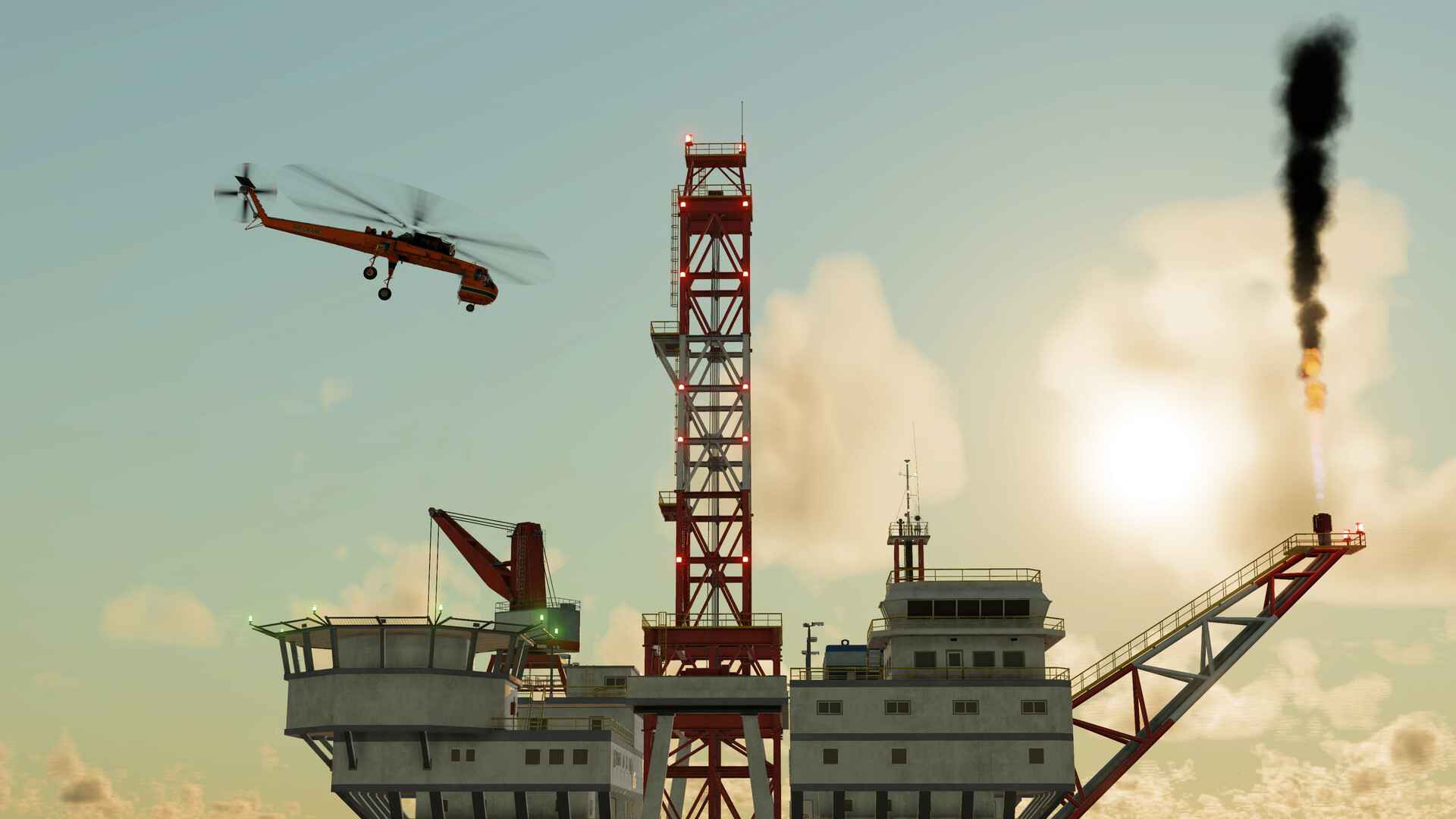
Official screenshot · Source: Steam store
| Ship | Likely Role | Notes |
|---|---|---|
| AP1-88 hovercraft | Passenger | Modern hovercraft, ideal for shallow or tricky coastlines |
| Canadian trawler | Cargo (fish) | Early fishing workhorse |
| Cap Arkona | Passenger/cargo | Mid-era coastal vessel |
| Damen Fast Ferry | Passenger | High-speed commuter option |
| Damen Tanker 800 | Cargo (liquid) | Fuel and crude oil transport |
| Dunara Castle | Cargo | Large capacity, expensive early on |
| Hadag Type 2000 | Passenger | Harbor ferry |
| Hercules XI Towboat | Utility | Moves barges and assists harbors |
| Luise Deymann | Passenger/cargo | Mid-century vessel |
| Meridian Ferry | Passenger | Larger ferry for busy routes |
| MS Diamant | Passenger | Classic coastal steamer |
| MS Stadt Kiel | Passenger | Historic German ferry |
| PS Trillium | Passenger | Paddle steamer for the 1850–1900 era |
| Solar shuttle | Passenger | Modern eco-friendly option |
| Sternwheeler | Passenger | River and lake paddleboat |
| Sydfart | Passenger/cargo | Community favorite for its quirky name |
| Terra Nova | Cargo | Historic expedition-style freighter |
| Tora coaster ship | Cargo | Short-sea coastal freight |
| TS Queen Mary (preorder bonus) | Passenger | Exclusive preorder vessel |
| Virgo Towboat | Utility | Secondary towboat option |
| Votrans Towboat Cargo | Cargo | Towboat with freight configuration |
| Votrans Towboat Tanker | Cargo (liquid) | Tanker towboat variant |
| Waimarie | Passenger | Historic New Zealand paddle steamer |
| Whopper | Cargo | Large-capacity freighter |
| Yara Birkeland | Cargo | Autonomous electric container ship (modern era) |
That's 25 confirmed vessels spanning the game's full timeline, from the paddle steamers of the 1850s to the autonomous container ships of the modern era. Note that TS Queen Mary is a preorder bonus rather than a standard unlock, so plan accordingly if you missed the preorder window.
Ship Categories Explained
Rather than memorizing 25 names, it helps to think of the Transport Fever 3 ships list in functional groups:
| Category | Ships | Best Use |
|---|---|---|
| Fishing/cargo small | Canadian trawler, Tora coaster | Early industry supply lines |
| Cargo large | Dunara Castle, Terra Nova, Whopper, Yara Birkeland | Long-haul bulk freight |
| Liquid cargo | Damen Tanker 800, Votrans Towboat Tanker | Oil and fuel delivery |
| Passenger ferries | Hadag Type 2000, Meridian Ferry, Damen Fast Ferry | Town-to-town commuter links |
| Historic passenger | PS Trillium, Sternwheeler, Waimarie, MS Diamant | Era-appropriate early routes |
| Utility | Hercules XI, Virgo, Votrans Towboat Cargo | Harbor support and barge work |
| Special | AP1-88 hovercraft, Solar shuttle, TS Queen Mary | Niche and bonus routes |
Why Ships Matter in Transport Fever 3
Transport Fever 3's reworked industry and cargo system — showcased by Urban Games in their Gamescom 2025 First Look series — makes supply chains more interconnected than in Transport Fever 2. Ports are no longer decorative: they're genuine cargo hubs that can anchor entire industry chains.
Consider what community gameplay footage has already demonstrated. In one early-game launch series, a player connected a fishing line to a coastal town's port, only to discover the delivery distance was too great for road vehicles. Ships solved a problem that horse carts simply couldn't — and when the fish supply started to dwindle, adding more trawlers to the line restored the town's happiness and generated subsidiary income of over 5.8 million in-game currency.
Water routes also offer advantages rails can't match:
- No track construction costs. Rivers, lakes, and coastlines are free right-of-way.
- High capacity per vehicle. A single large cargo ship can replace dozens of trucks.
- Natural connections. Islands and towns split by water often require maritime links.
When to Use Ships Instead of Trains or Trucks
Choosing the right mode is the core skill of the game. Here's a practical decision framework based on player experience so far:
| Situation | Recommended Mode | Why |
|---|---|---|
| Towns on opposite shores of a bay | Ferry | Road and rail would require expensive bridges |
| Fish from a distant fishing ground | Trawler | Only ships reach offshore stocks |
| Oil well across a lake | Tanker ship | Cheaper than routing roads around the water |
| Bulk cargo halfway across the map | Train | Trains beat ships for speed and frequency on inland routes |
| Short intra-city delivery | Trucks/trams | Ships are overkill for short hops |
| Island supply chains | Mixed ship + rail | Ships cross the water, rail distributes inland |
A good rule of thumb from community reports: if the route is mostly over open water, ships win on cost. If it's mostly over land, trains win on throughput. The most profitable empires combine both, using ports as transfer points.
Early-Game Ship Strategy Tips
Ships can feel slow to pay off, but these tactics — drawn from launch-week gameplay and community discussion — will get your maritime lines profitable faster.
1. Start with fishing lines
The Canadian trawler is one of the cheapest early cargo vehicles in the game. Coastal towns want fish from the very first year, and a single trawler on a short line can fund expansion. If deliveries show as delayed, add a second trawler — under-capacity lines are the most common early mistake.
2. Watch line profitability before scaling
Payment only arrives when a vehicle completes a delivery, not on a constant tick. A common community tactic: once vehicles on a line reach roughly the halfway point, duplicate the line to send a second wave. This staggers arrivals and keeps income flowing consistently rather than in bursts.
3. Use alternate loading bays
Many ports and industry stops have multiple platforms. Marking secondary bays as alternates prevents backups when one berth is occupied — a small UI feature with an outsized impact on line efficiency.
4. Don't buy the biggest ship first
Large vessels like the Dunara Castle are tempting, but their cost can cripple an early economy. Match ship size to actual demand; upgrade as the industry chain matures.
5. Mind the era
Like the rest of the Transport Fever 3 vehicles roster, ships unlock by year. Paddle steamers and trawlers dominate the 1850–1920 window; ferries, coasters, and tankers fill the mid-century; hovercraft, solar shuttles, and the Yara Birkeland appear in the modern era. Planning your port infrastructure around upcoming unlocks saves expensive rebuilds later.
How the Ships List Compares to Transport Fever 2
Veterans will notice meaningful changes. The Transport Fever 3 ships list leans harder into functional variety — dedicated towboats, multiple tanker configurations, and modern autonomous vessels simply didn't exist in the previous game. The reworked cargo mechanics also give ships clearer roles within multi-stage industry chains, rather than serving as simple point-to-point haulers.
For official details on the game's industry and cargo systems, check out the Urban Games official website, where the developer publishes First Look videos and patch information.
FAQ
How many ships are in Transport Fever 3?
Based on the art book and community-compiled lists, 25 ships are confirmed at launch, including one preorder-exclusive vessel (TS Queen Mary). Expect the total to grow with free updates and DLC, as happened with Transport Fever 2.
What's the best early-game ship?
Player experience strongly favors the Canadian trawler. It's affordable, unlocks early, and fishing lines are among the most reliable early income sources — especially for towns that can't be reached efficiently by road.
Are ships profitable in Transport Fever 3?
Yes, but they reward patience. Ships are slower than trains, so lines take longer to pay back their purchase cost. They shine on routes that would require expensive bridges, on offshore fishing grounds, and as the cargo leg of longer multi-modal supply chains.
Does the Transport Fever 3 ships list include tankers?
It does. The Damen Tanker 800 and the Votrans Towboat Tanker both handle liquid cargo, making them essential for oil and fuel supply chains once refineries come online in your game.
Water transport rewards players who plan ahead. Pick your first trawler, stagger your deliveries, and let the tide carry your empire to its first million.
Related Guides
Transport Fever 3 Airplanes: Your First Airline Guide
Learn how Transport Fever 3 airplanes work, from building your first airport to running a profitable early airline line with the Junkers F13.
Transport Fever 3 Helicopters: Cargo Guide & Tips
Learn how Transport Fever 3 helicopters work, from helports and helipads to cargo routes, costs, and setup tips for 1950s air transport.
Transport Fever 3 Trains: Build a Profitable Rail Empire
Master Transport Fever 3 trains with proven cargo line tips, station design, bidirectional freight strategies, and maintenance advice from real gameplay.
Transport Fever 3 Vehicle List: Best Trains by Era
Full Transport Fever 3 vehicle list breakdown — 300+ trains, trucks, ships and planes, plus era-by-era buying advice and upgrades worth skipping.